Powering Stability: Inside the Scottish Borders Battery Storage Project
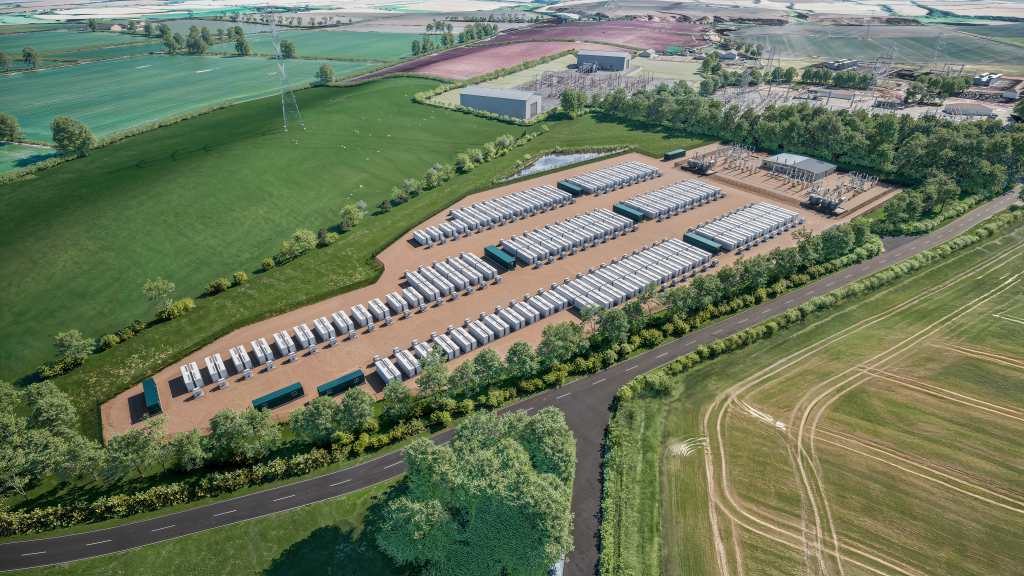
The Scottish Borders Energy Centre is a 500MW battery energy storage facility located in close proximity to Eccles in Scotland. Designed to operate at grid scale, the site will play a key role in supporting the local electricity distribution network and maintaining a reliable supply of affordable, low-carbon power for homes, businesses, and industry.
As the UK’s energy system continues its transition toward renewables such as wind and solar, battery storage infrastructure becomes increasingly essential. BESS facilities like this enable surplus renewable energy to be captured when generation is high and dispatched back to the grid at times of peak demand, helping to balance supply, improve resilience, and reduce reliance on fossil fuels.
Interactive Walkthrough: Explore, Navigate and Experience the Proposed Site
Interactive Walkthrough: Explore, Navigate and Experience the Proposed Site
Bringing the Site Redesign to Life Through Detailed Visualisation
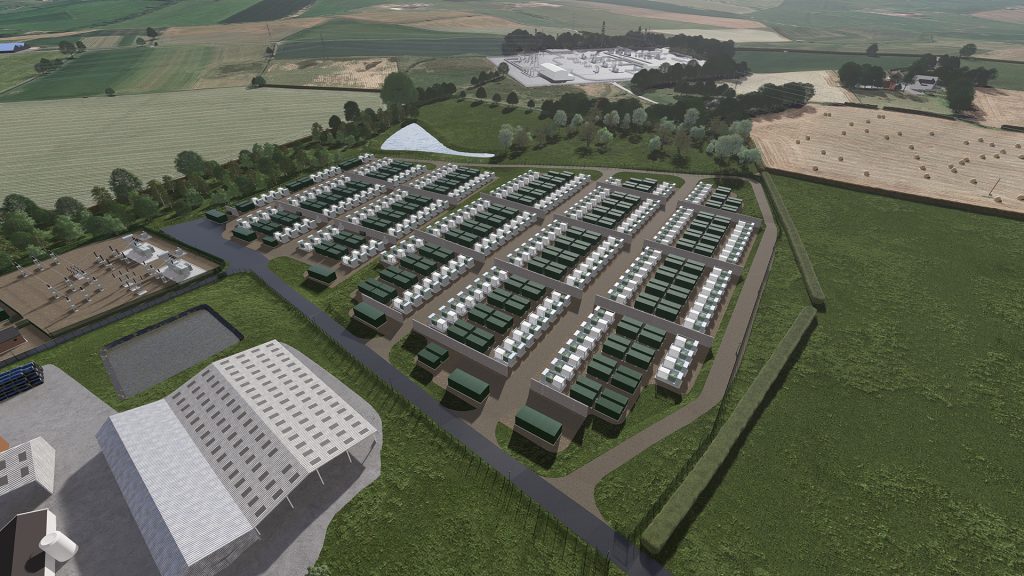
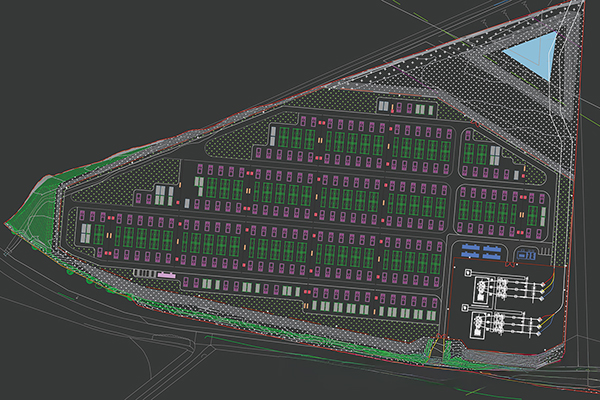
UTU were appointed to reconfigure the site using an alternative technology solution and to deliver a highly detailed 3D digital model of the proposed development. In parallel, we acted as a central coordination interface for the FEED level design process, ensuring alignment across the wider project team.
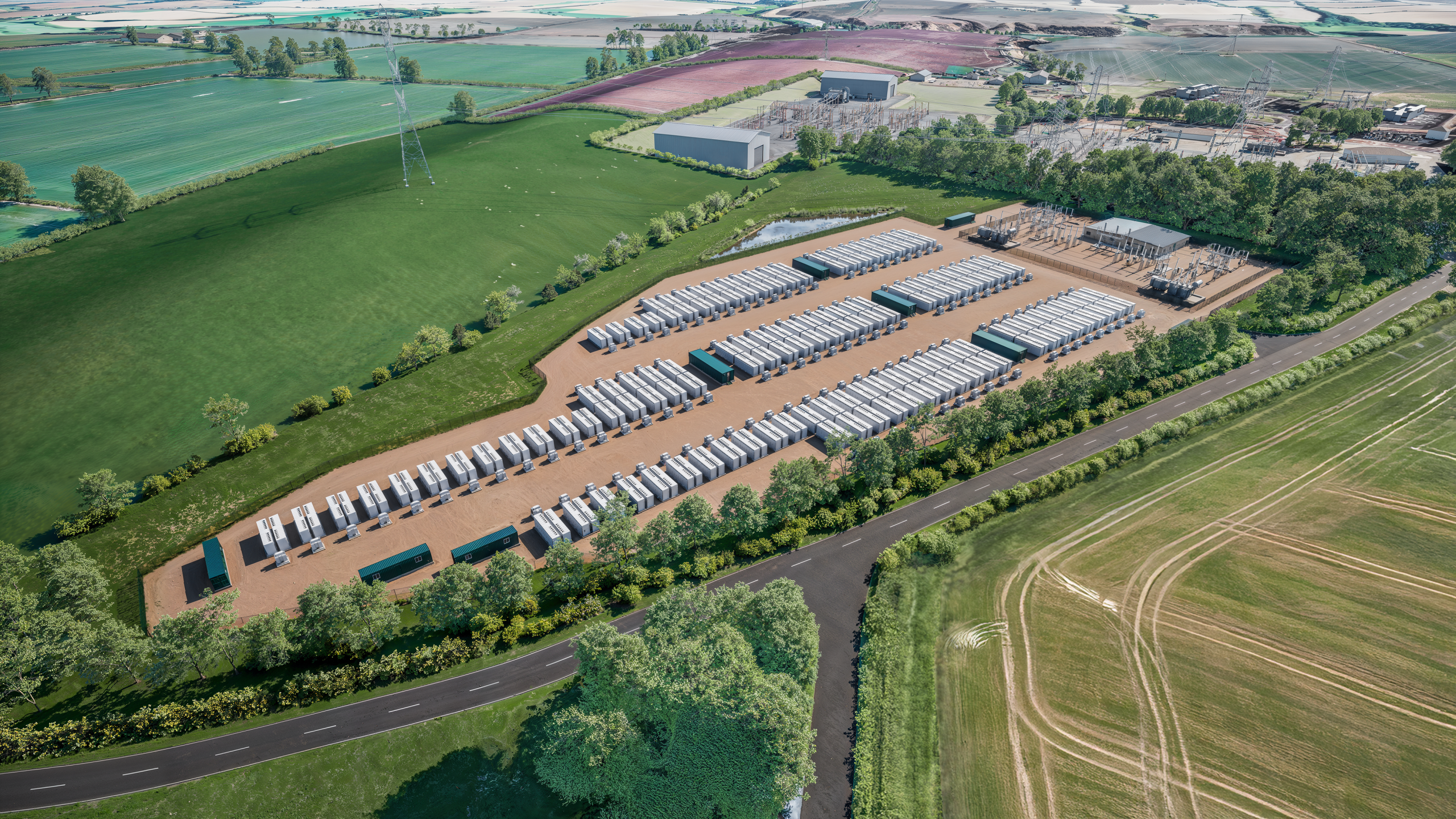
The resulting model underpinned a suite of high quality visual outputs, including photorealistic renders and a cinematic videomontage featuring aerial-style sequences that trace the cable route to the proposed substation expansion. Alongside this, we developed an interactive site walkthrough, offering a compelling and intuitive way to explore the scheme and experience the development within its real world setting.
As planning permission had already been granted, the redesign process required a sensitive and highly controlled approach. The alternative technology solution was developed to integrate seamlessly within the parameters of the approved scheme, maintaining full compliance with the existing consent. UTU worked strictly within the established fence lines, ensuring the revised layout met all planning conditions while delivering an efficient and buildable design.
The site’s partial location within a flood zone informed the layout strategy from the outset, with all critical infrastructure carefully positioned outside flood-affected areas. Fire strategy considerations were embedded early in the design process, with emergency access routes, separation distances, and operational safety requirements fully coordinated and resolved as part of the final proposal.
High quality 3D visualisations were central to UTU’s approach, offering a clear and realistic portrayal of the proposed site redesign. On complex, large scale infrastructure schemes, this level of visual detail is essential in translating technical information into an accessible format, enabling stakeholders to easily grasp spatial relationships, scale, and overall context.
Beyond the design process, the visuals became a valuable engagement asset for the client. They were used to clearly communicate the proposal to local communities and non-specialist audiences, helping people understand both the scheme and its potential impact. At the same time, the renders played an important role in marketing and investor facing material, presenting the project in a polished and persuasive way that supported confidence in the design vision and delivery approach.
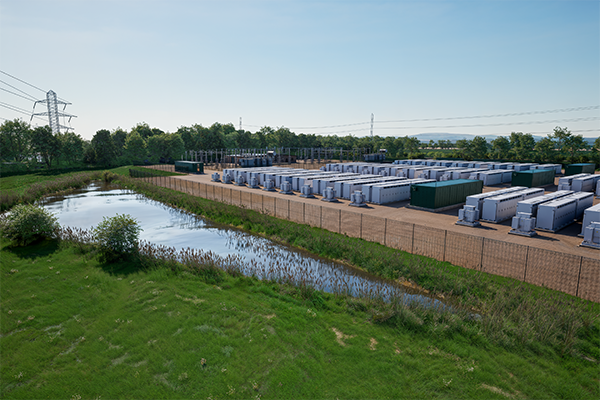
UTU produced a custom videomontage designed to present the site through an immersive, story driven lens, placing the development within its broader infrastructure setting. For major energy and infrastructure schemes, videomontage offers a powerful medium for explaining complex relationships, layouts, and connections in a way that is both accessible and visually compelling.
The film blended animated 3D sequences with aerial-style contextual views, clearly conveying the site configuration, access strategy, and operational principles. This approach allowed the client to effectively communicate the wider grid connection and project context across public consultation, marketing activity, and investor-facing materials.

Transforming Complex Infrastructure into Clear, Confident Visuals
Transforming Complex Infrastructure into Clear, Confident Visuals
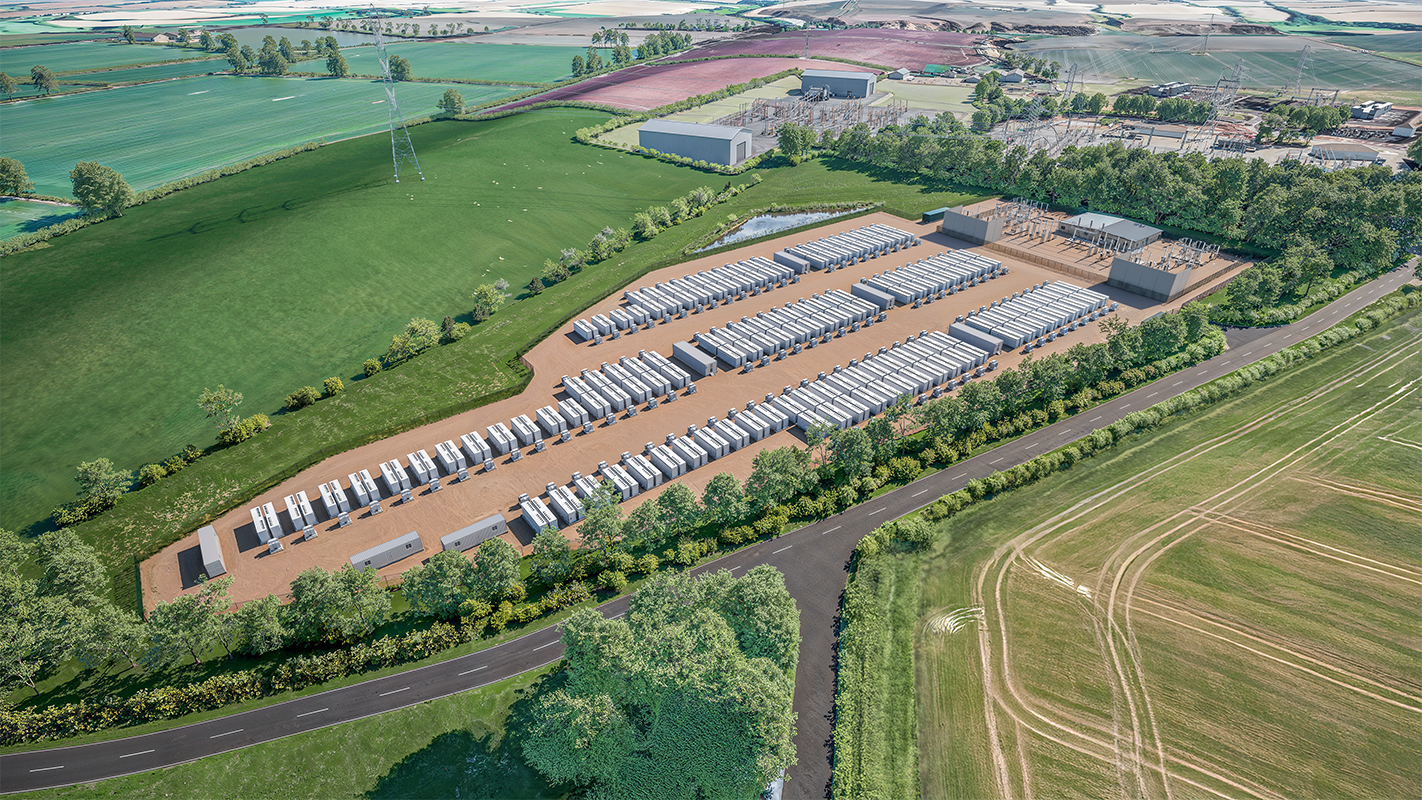
scottish borders energy centre

site entrance

3D drone shot
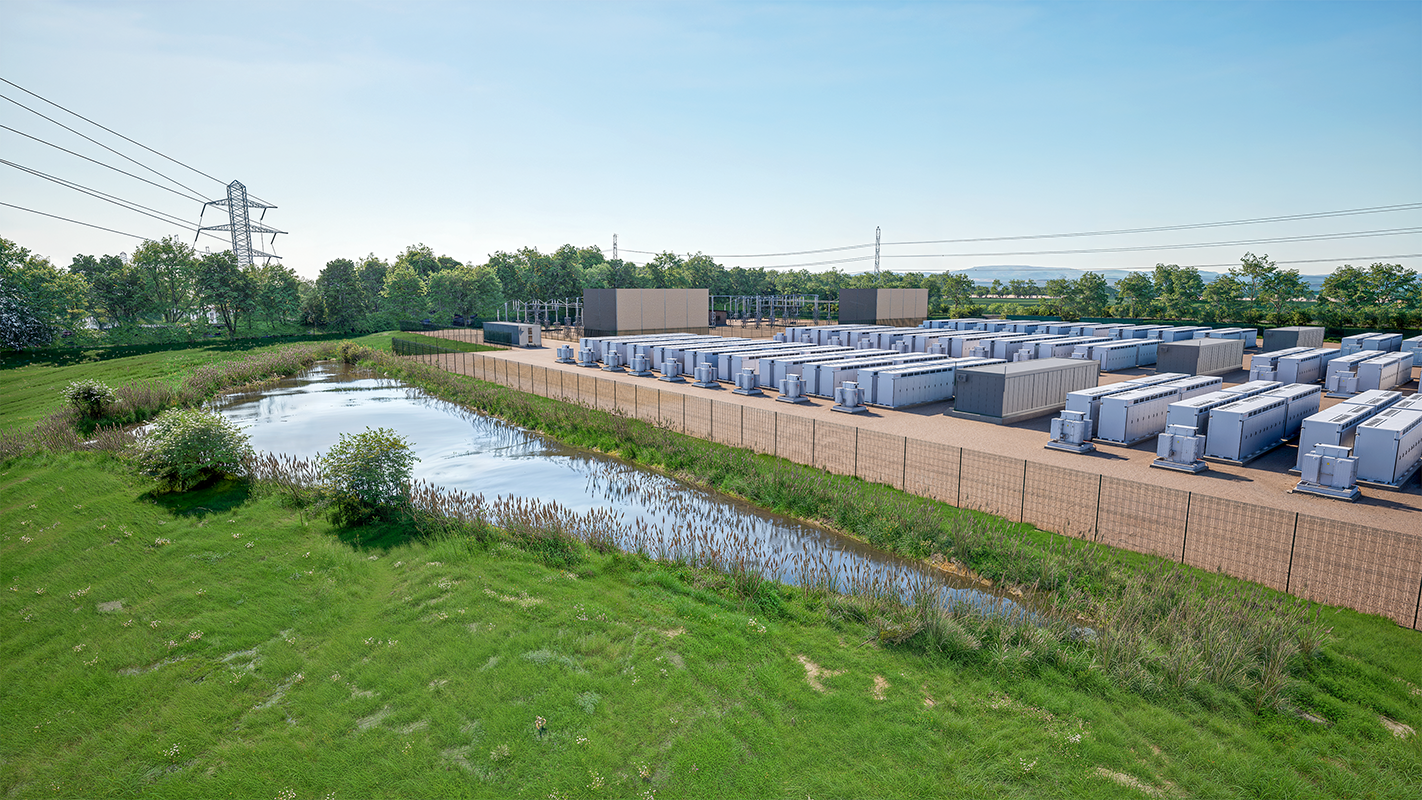
SUDS POND FEATURE